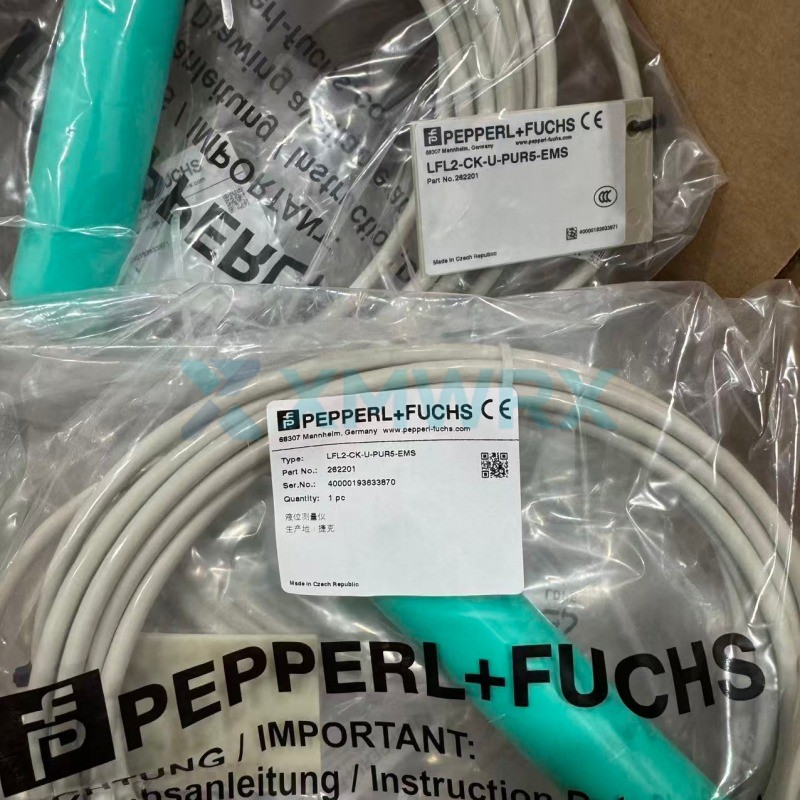
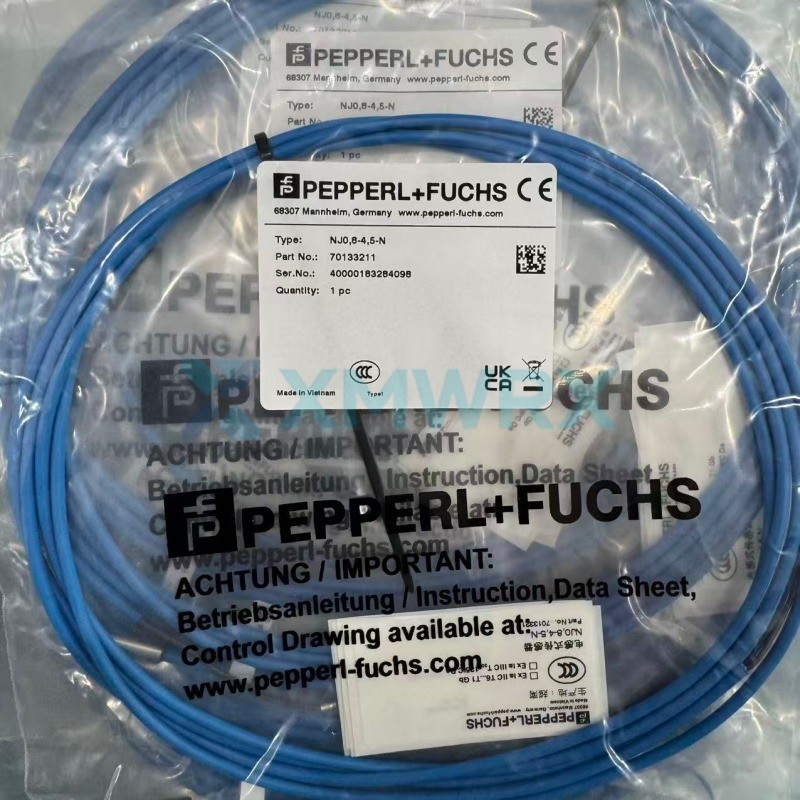
Brand :
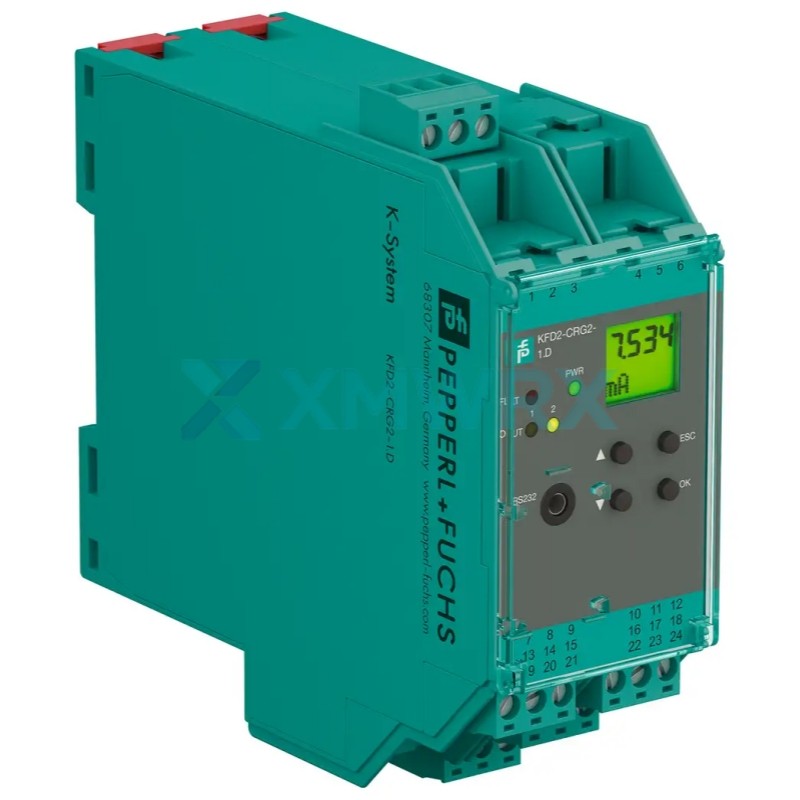
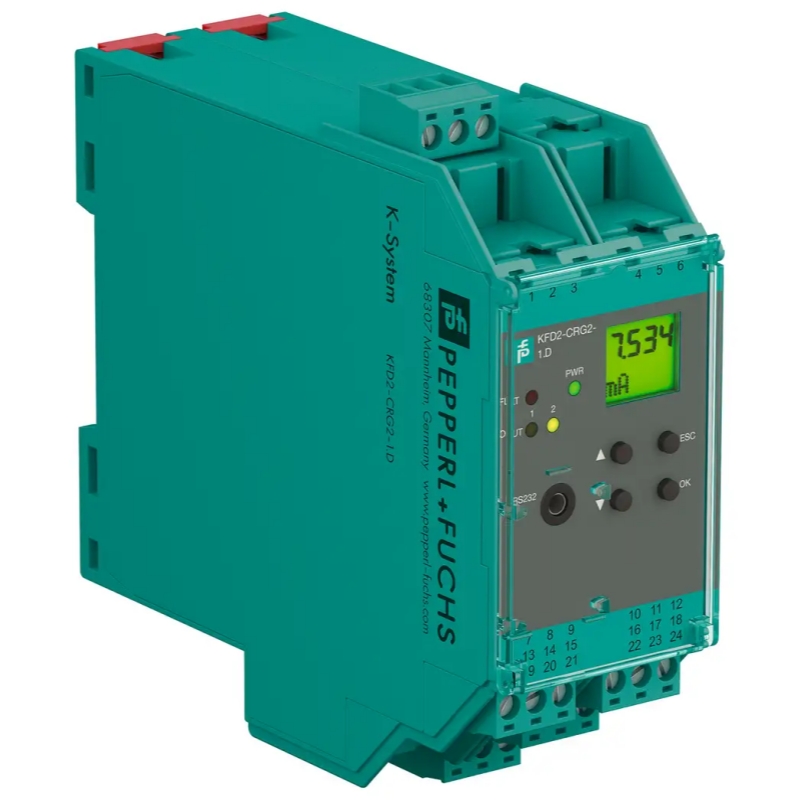
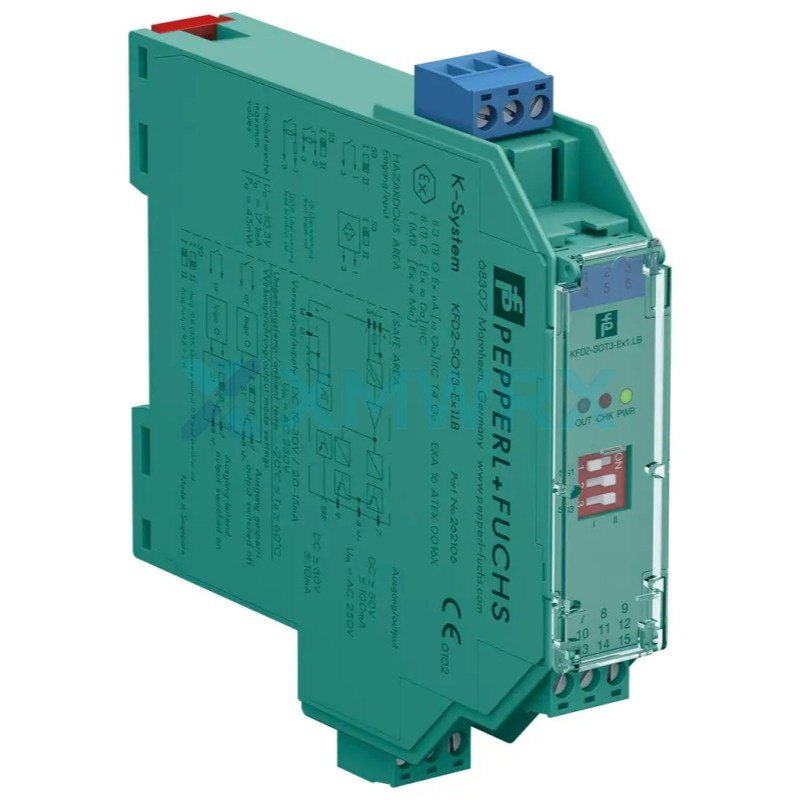
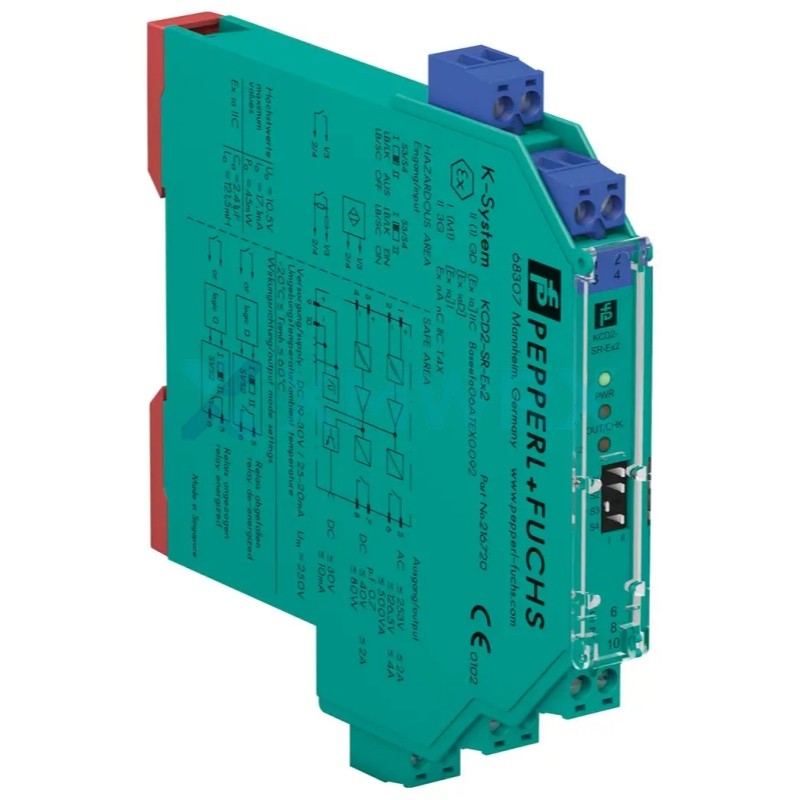
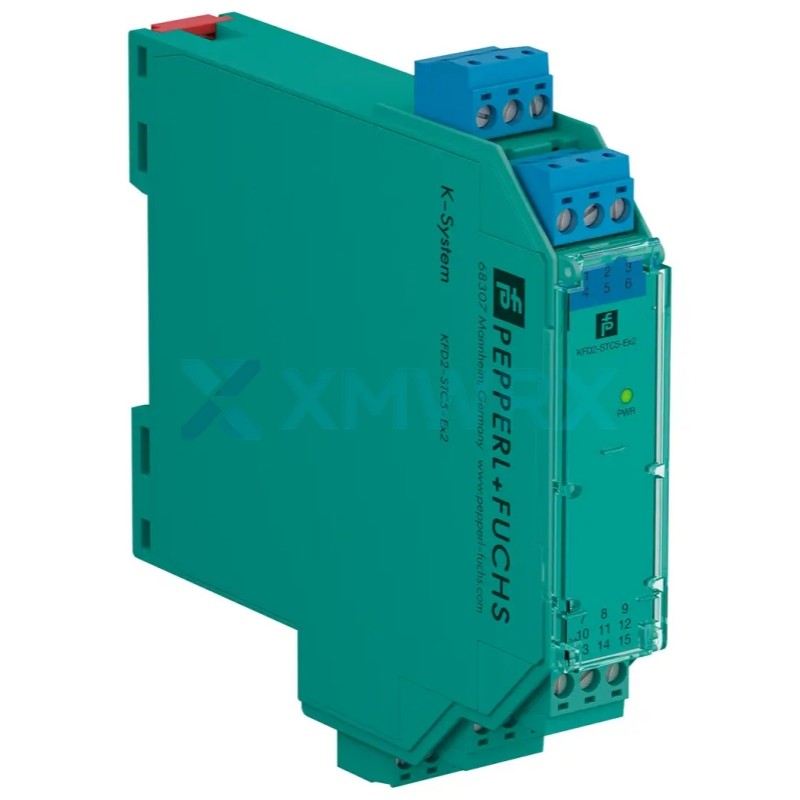
PEPPERL+FUCHSThe KFD2-CRG2-1.D is a 1-channel signal conditioner (also known as a transmitter power supply or safety barrier) launched by Pepperl+Fuchs.
It is mainly used in industrial automation control systems to power field transmitters and isolate, convert, and process analog signals. Through its strong electrical isolation capabilities (reinforced insulation between input, output, and power supply), this device effectively prevents signal interference, ensuring accurate signal transmission and stable operation of the control system.

| Brand | Pepperl+Fuchs |
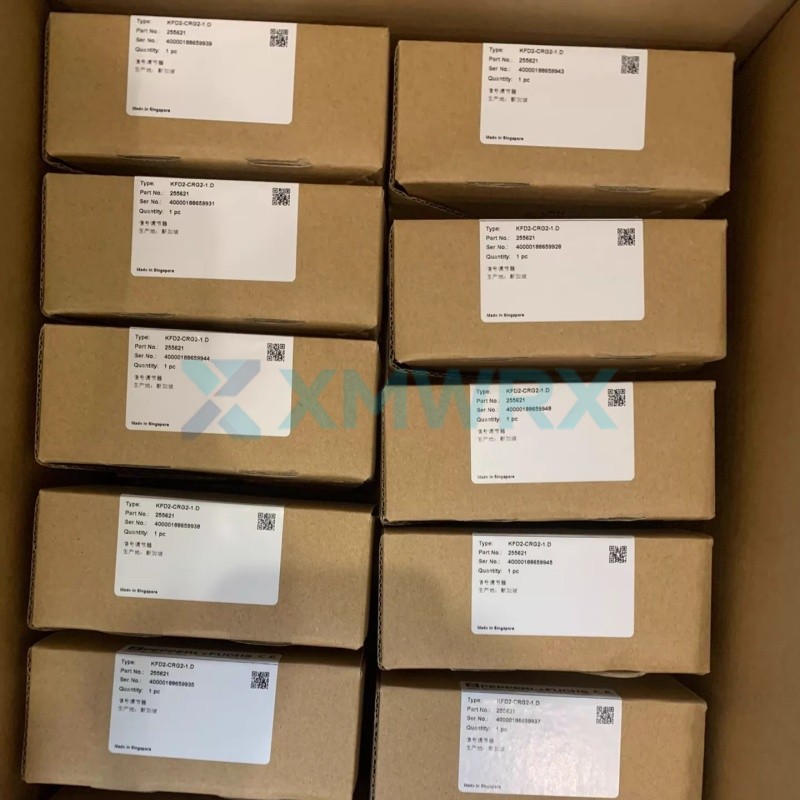
| Model / Part Number | KFD2-CRG2-1.D |
| Material Number (MNR) | 255621 |
| Rated Voltage | 20 ... 30 V DC |
| Rated Current | Approx. 130 mA |
| Power Consumption | Maximum 2.5 W |
| Resolution | ≤ 10 µA |
| Transmission Accuracy | Input accuracy < 30 µA, Analog output accuracy < 20 µA |
| Dimensions | Width 40 mm × Height 119 mm × Depth 115 mm |
| Protection Rating | IP20 |
| Mounting | Standard 35 mm DIN rail mounting |
| Operating Temperature | -20 ... 60 °C |
Q: What's the difference between it and a regular signal isolator?
A: The KFD2-CRG2-1.D is essentially an isolated safety barrier, a type of signal isolator, but more advanced and comprehensive than a regular signal isolator. You can think of a regular signal isolator as a "signal bodyguard," primarily responsible for interference suppression; while the KFD2-CRG2-1.D is an "all-around safety expert," not only handling interference suppression but also shouldering the responsibilities of explosion protection, power supply, and safety interlocking.
Q: Are there any special requirements for installing this type of safety barrier?
A: Installing isolation safety barriers like the KFD2-CRG2-1.D requires strict adherence to explosion-proof safety regulations, in addition to standard equipment installation procedures. Before initial power-on testing, carefully verify the safety barrier model, power polarity, and terminal markings to ensure everything is in perfect working order before powering on.
Q: How to determine if field instruments meet explosion-proof requirements?
A: To determine if field instruments meet explosion-proof requirements, one cannot rely solely on appearance. A comprehensive assessment must be made through four rigorous steps: checking documentation, examining nameplates, verifying the actual instrument, and confirming compatibility.
leave a message
Scan to Wechat :
Scan to WhatsApp :